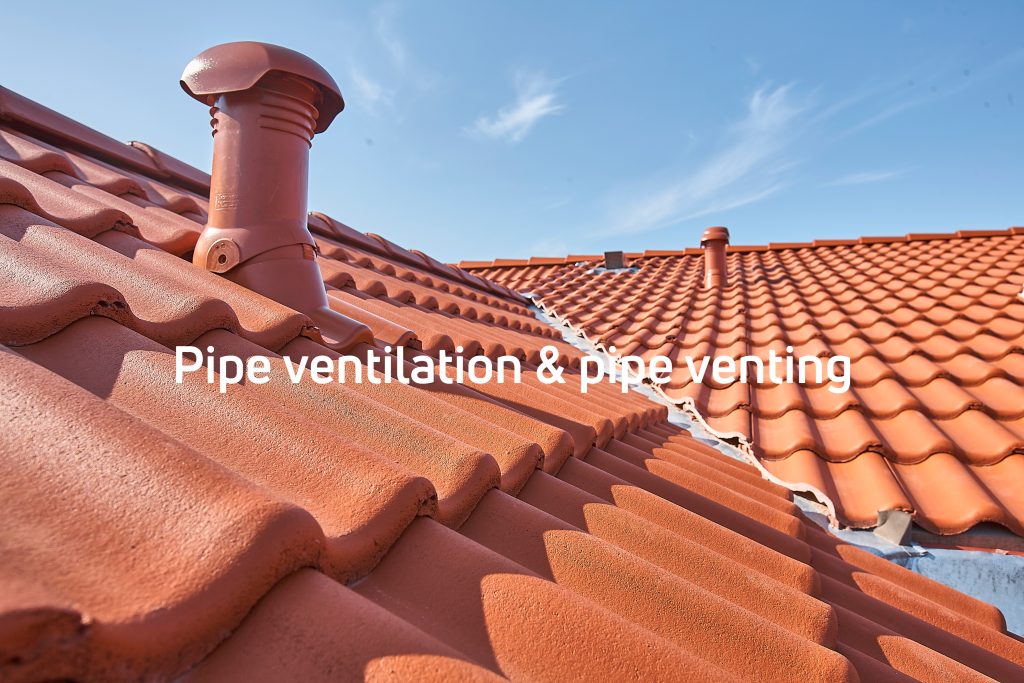


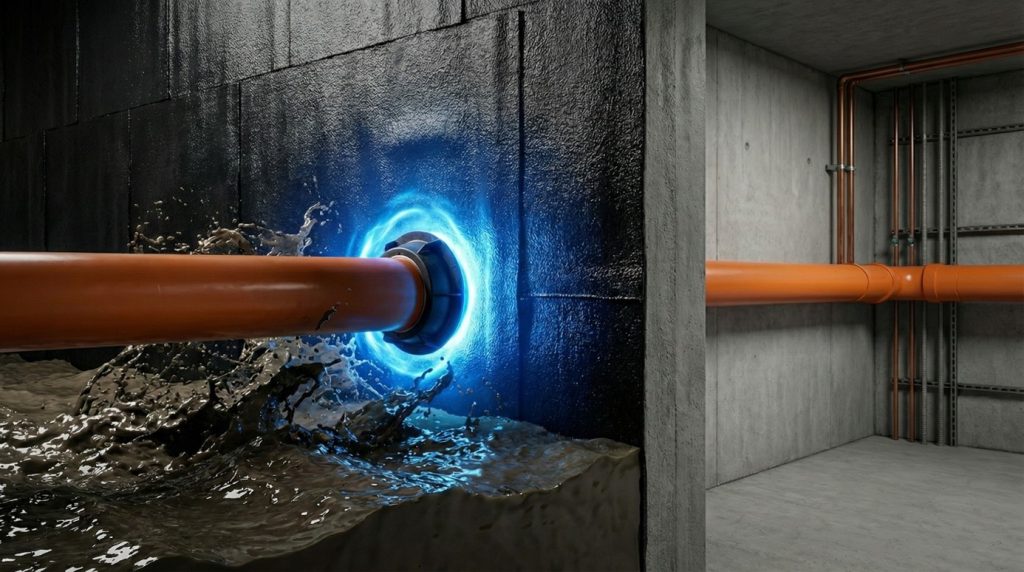
Water is the greatest enemy of a building’s structure. Around half of all structural damage can be attributed to the effects of moisture. Particularly at risk are the 1% of waterproofing areas involving transitions, penetrations and connection details – especially pipe penetrations.
This technical article explains the fundamentals of structural waterproofing in accordance with ÖNORM B 3692, describes typical damage mechanisms and shows how modern solutions such as the HL800 series and HL804H enable safe, standard-compliant and plannable sealing of pipe penetrations today.
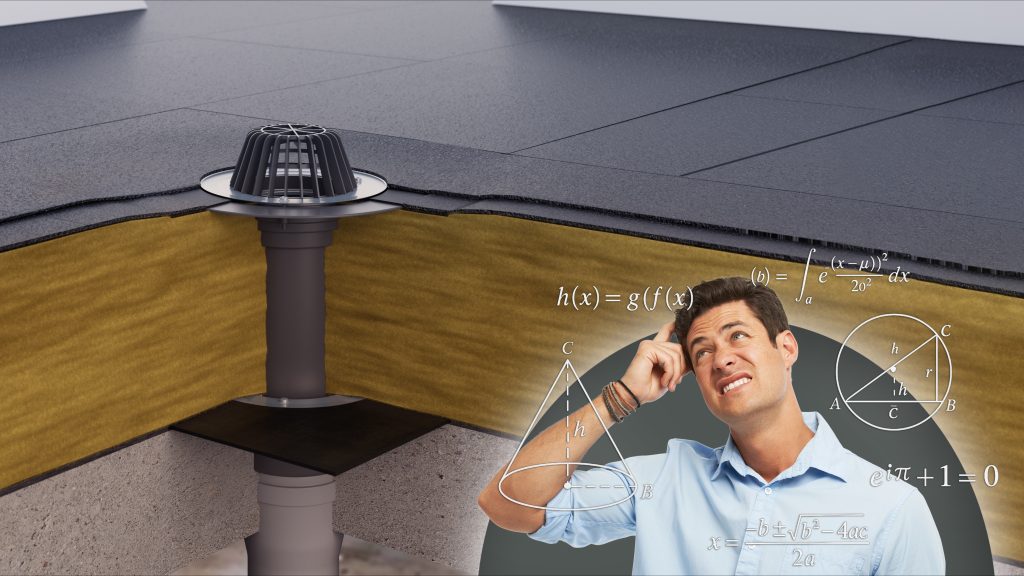
This guide provides a comprehensive introduction to the technical requirements and calculations for the dimensioning of drainage systems for roofs, balconies and terraces. The various drainage solutions and their specific advantages and disadvantages are considered in order to ensure reliable and standard-compliant planning. The aim is to use efficient drainage solutions to prevent water damage and flooding and to ensure the long-term functionality and safety of the building.
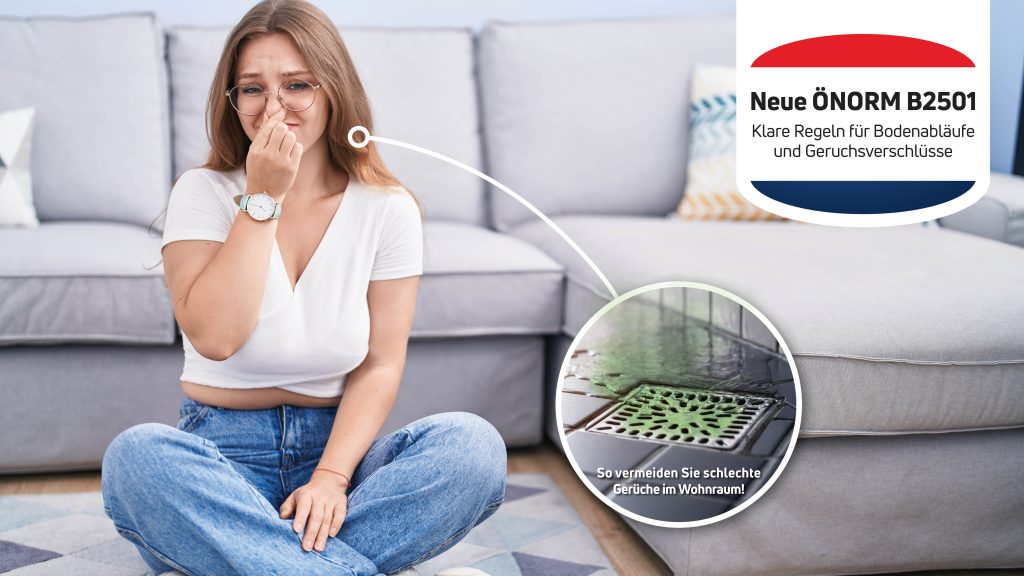
The standard-compliant planning and installation of floor drains is essential for functional and hygienic building drainage. A central element of this is the odour barrier/trap, which prevents unpleasant sewer gases from entering interior spaces. The new standard EN 1253 Parts 6, 7 & 8 has for the first time created clear regulations for various types of odour barriers that have proven themselves in practice. In this article, we show which solutions are covered by the standard and what effects this has on the planning and design of floor drains.
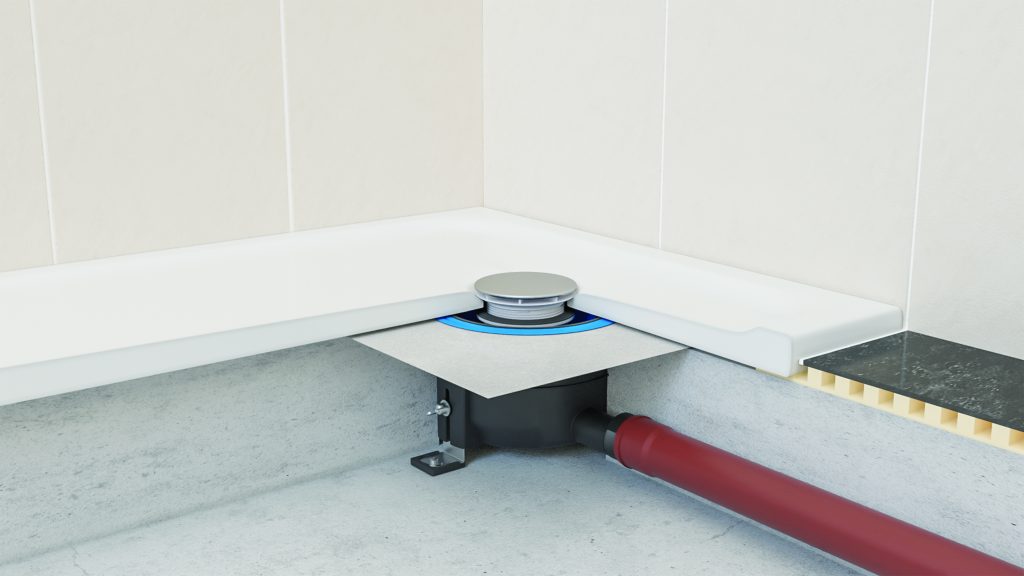
The installation of barrier-free showers poses challenges for both installers and planners. While tiled showers are now state of the art, shower trays are making a comeback thanks to new, flat designs and new materials. Flat shower trays offer technical advantages: their homogeneous surface provides better protection against moisture and mold than tiles. Despite their improved aesthetics and moisture resistance, they do pose special installation requirements. Correct sealing, precise positioning, and secure connection to the drain require the right expertise and the right products to ensure lasting waterproofness.